Understanding Headless CMS: A Modern Approach to Content Management
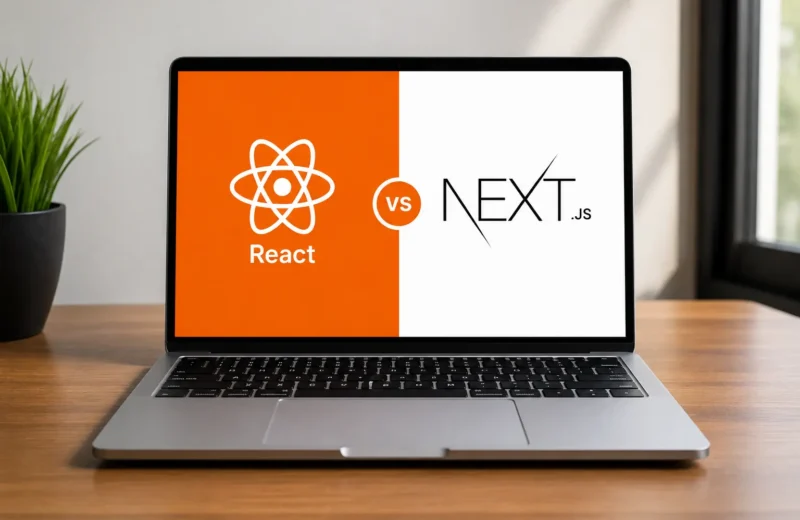
Choosing the Right Tech Stack: When to Use React vs. Next.js
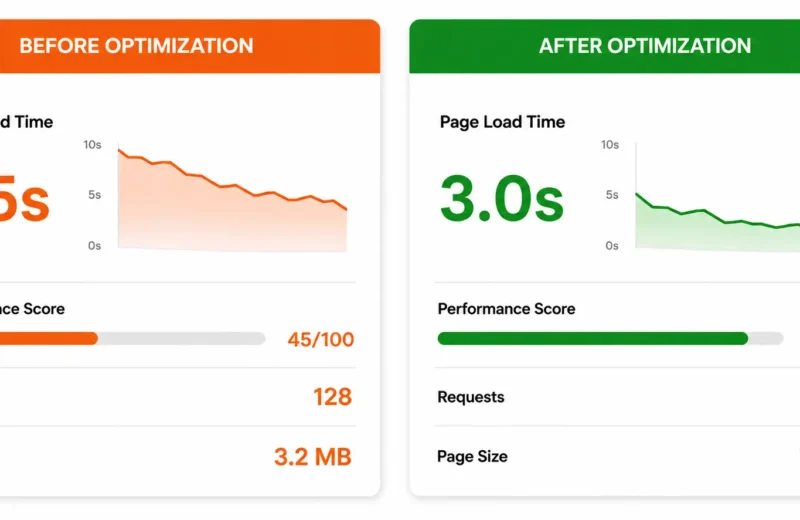
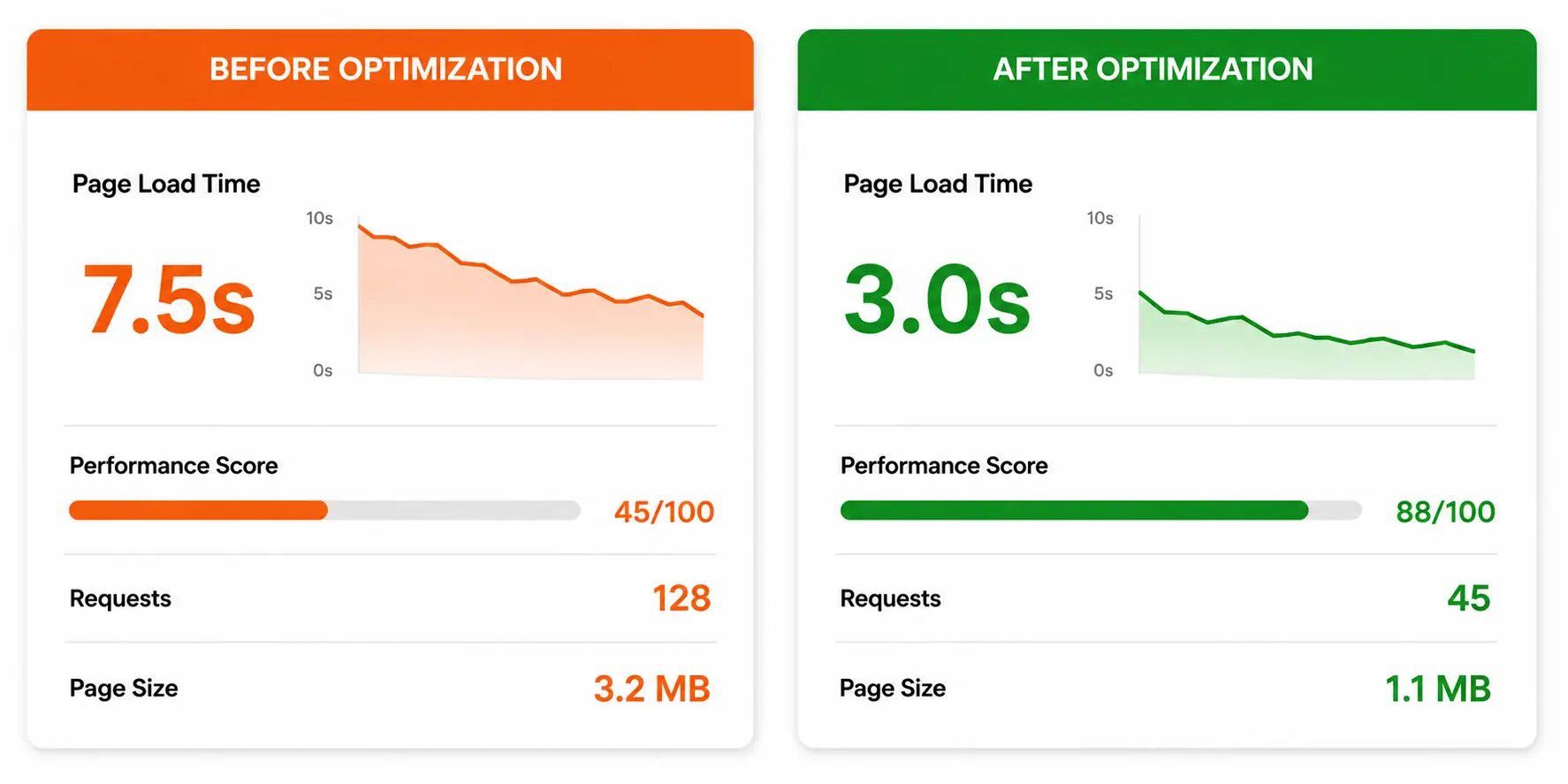
How We Optimized Page Load Speeds by 60% with Clean Semantic Code
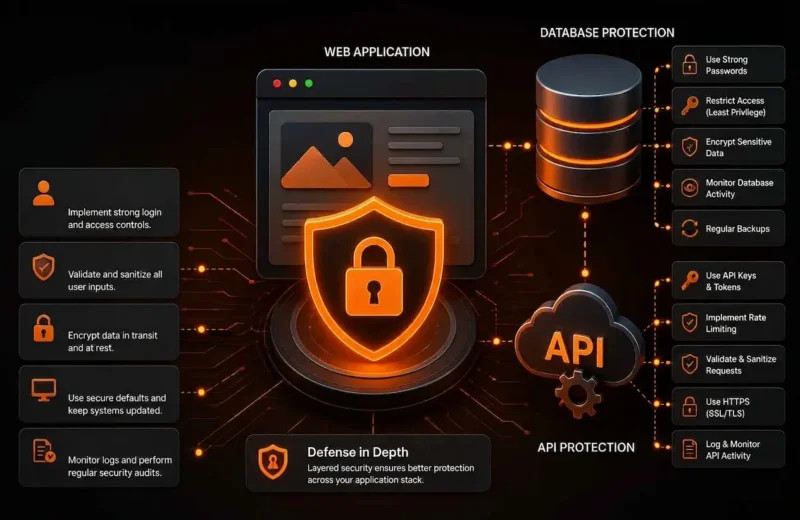
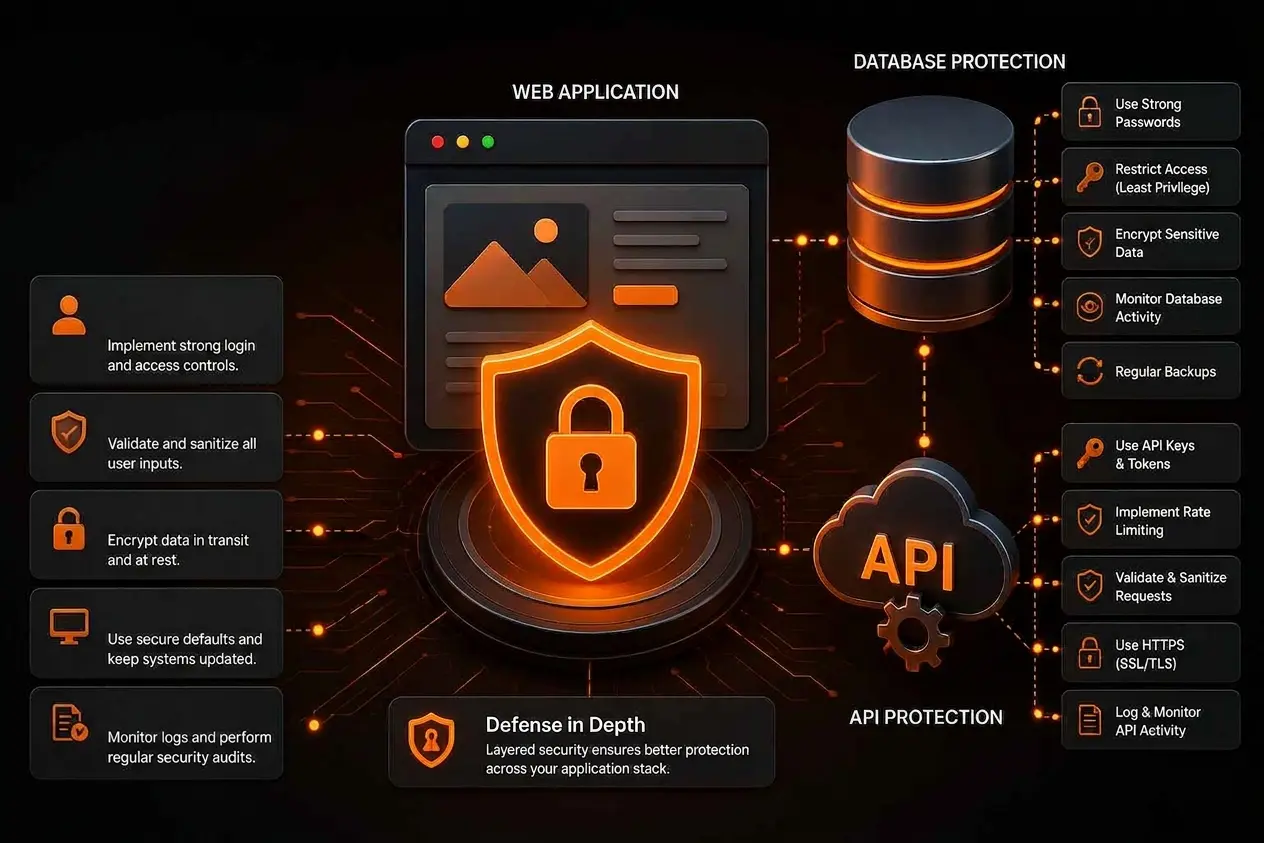
Securing Web Applications: Best Practices for Database and API Protection
Fostering innovation in diverse industries through creativity
Pioneering the next wave of design-driven business growth
Adapting creative solutions for rapidly changing industries
What is a Headless CMS?
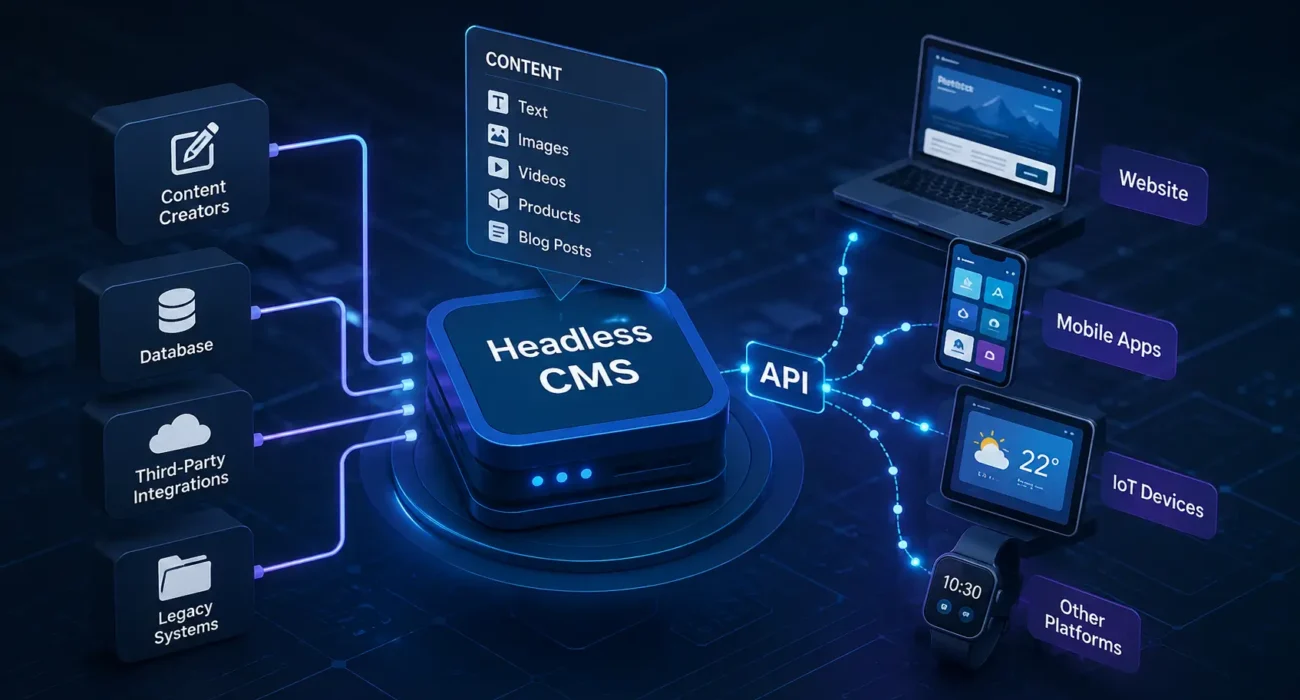
Headless CMS We provide customized solutions tailored to the specific needs and goals of our clients. A headless CMS separates the backend content repository (the body) from the frontend presentation layer (the head). Unlike traditional platforms, content in a headless setup is managed in a centralized hub and delivered seamlessly as raw data via production-ready APIs to any frontend framework or modern device interface.”
How CMS Work
Decoupled Architecture:Separating the content repository from the presentation layer to allow design flexibility and front-end independence.
API-First Delivery:Utilizing fast GraphQL or RESTful APIs to seamlessly fetch and distribute content to any digital device or platform.
RESTful & GraphQL Endpoints:Structuring flexible data queries that allow front-end developers to request only the exact data fields needed, minimizing payload sizes.
Decoupled Content Delivery Networks (CDNs): Distributing API responses across global edge servers to ensure instantaneous content fetching regardless of user location.
Secure Multi-Token Authentication:Implementing robust API key management and token systems to protect your content delivery pipelines from unauthorized scraping or access.
Omni-Channel Scalability:Empowering businesses to publish content once and deploy it simultaneously across websites, mobile apps, and IoT devices.
A framework where back-end data availability and front-end consumption layers are optimized simultaneously. The system works to deliver raw content instantly via endpoints, while client applications fetch and render data in real time across any device interface. When high-traffic architectures process complex user queries but require dynamic response structures without server lag, advanced techniques like payload filtering, edge-side caching, and compression are used to mitigate latency. Tuning these specific API parameters is crucial for achieving rapid asset loading and maintaining a smooth digital presentation.
Advanced topics
Microservices & Mesh APIs: Integrating third-party e-commerce engines, payment gateways, and CRM platforms directly into a unified headless API layer.
Edge Mesh & Dynamic Caching: Deploying serverless functions at the network edge to pre-render content globally, reducing time-to-first-byte (TTFB) to milliseconds.
Incremental Static Regeneration (ISR): Updating specific content blocks automatically in the background without needing a full rebuild of the entire website framework.
Summary:We provide customized solutions tailored to the specific needs and goals of our clients. Transitioning to a headless architecture removes the performance bottlenecks of traditional platforms, allowing businesses to achieve lightning-fast load times and unmatched design freedom. By treating content as raw data delivered via secure APIs, organizations can future-proof their digital assets and scale their front-end interfaces seamlessly without disrupting backend operations.