










Understanding React and Next.js
Selecting the correct frontend architecture is the most critical technical decision you will make when starting a new web development project. React and Next.js are heavily intertwined, yet they serve fundamentally different purposes in application design. Choosing between a modular UI tool and a fully integrated, opinionated development framework directly dictates your web application’s loading speed, search engine indexability, and long-term codebase maintainability.
How Neurons Work
Client-Side Client Interface Control (React):Utilizing a UI library focused strictly on managing local component states and rendering immediate virtual DOM updates directly within the user’s web browser.
Server-Driven Structural Optimization (Next.js): Deploying a comprehensive ecosystem that wraps around your UI components to automate complex server-side compilation, backend security configurations, and dynamic file routing structures.
Client-Side Rendering (CSR):Managing application views entirely inside the local browser context—ideal for secure, client-facing dashboard portals located safely behind authentication screens.
Server-Side Rendering (SSR): Generating complete web page HTML structures on a secure backend server for each unique user request, significantly cutting down initial client rendering lag.
Static Site Generation (SSG):Compiling static, blazing-fast web assets once during the server build phase to yield immediate, reliable content access across global delivery networks.
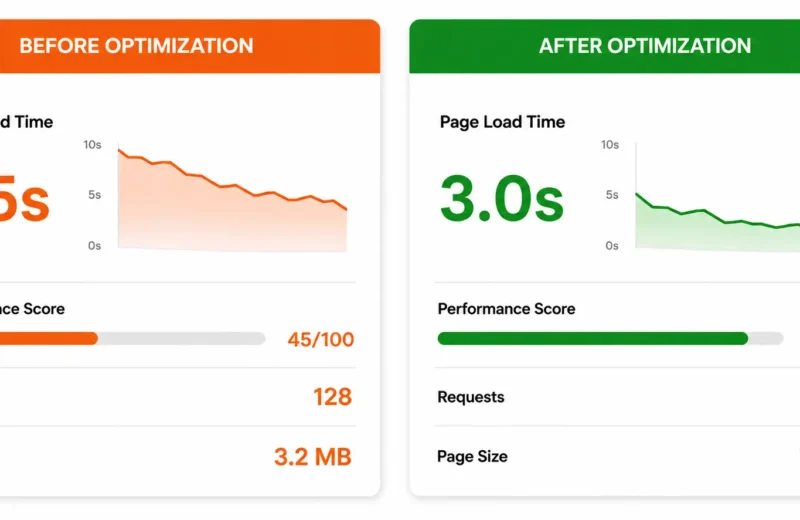
Architectural Strategy & Data Routing:Our structural performance framework analyzes application parameters to select the correct rendering strategy. By matching data-fetching methods to the specific requirements of each user view, we eliminate heavy execution bottlenecks from our application builds. We continuously monitor client-side script sizes and server response speeds to ensure that our web platforms remain secure, completely optimized for global search crawlers, and ready to handle massive consumer traffic spikes without layout delays.
Building enterprise web applications requires a deliberate balance between frontend flexibility and server-side performance optimization. While React excels at managing local client states and modular interface layouts, Next.js addresses data fetching bottlenecks by handling processing on the server before rendering the view. Successfully balancing these architecture types allows systems to eliminate initial layout shift, protect backend security keys, and streamline third-party API configurations to ensure a frictionless, high-speed user experience.
Advanced topics
Implementing modern web platforms requires a deep understanding of hybrid rendering architectures, edge network distribution systems, and specialized middleware configuration rules. We remove data fetching bottlenecks and optimize structural script delivery hierarchies to maintain clean web-vital profiles across every interface. These advanced technical workflows ensure that your application’s underlying core architecture remains flexible, lightweight, and perfectly equipped to handle complex third-party system connections effortlessly.
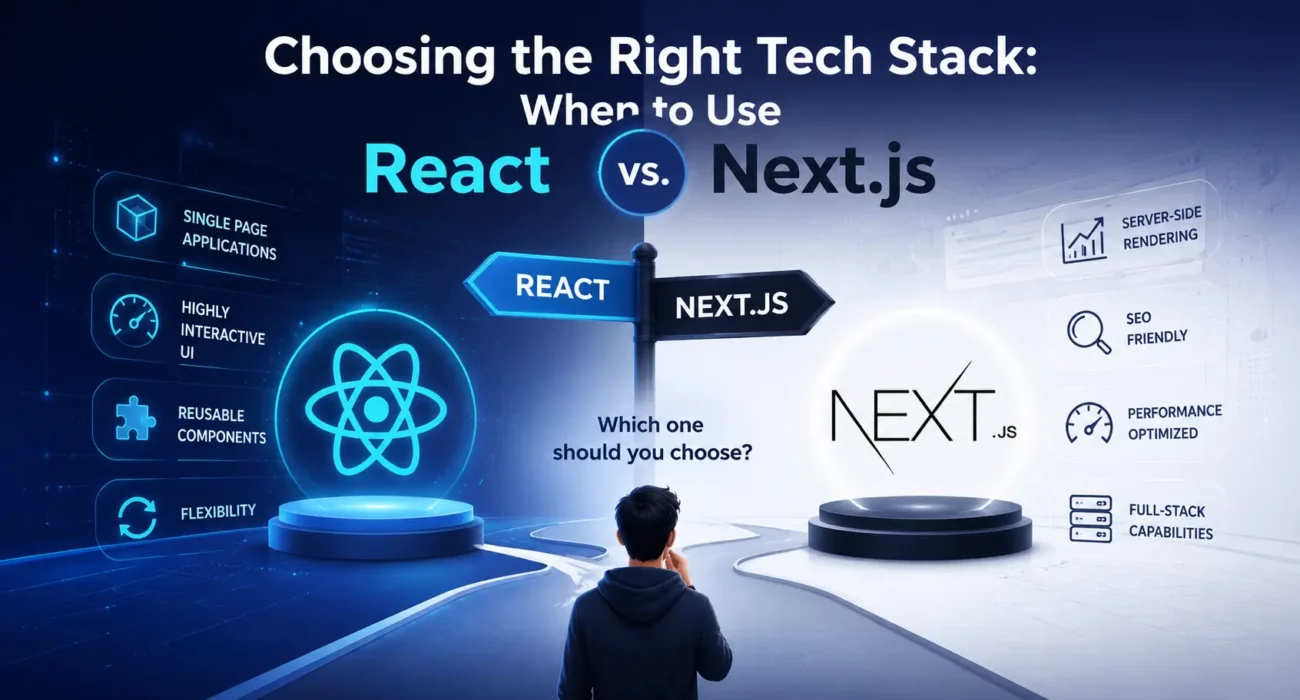
Summary: Deciding between React and Next.js comes down to the scaling parameters and search engine goals of your digital brand. If you are building a gated single-page software application where SEO is non-essential, React offers complete architectural freedom. However, if your project demands lightning-fast initial page load speeds, seamless multi-channel search discoverability, and complex e-commerce transaction capabilities, Next.js provides the complete enterprise-ready framework needed to reliably grow your digital footprint.