Securing Web Applications: Best Practices for Database and API Protection
Choosing the Right Tech Stack: When to Use React vs. Next.js
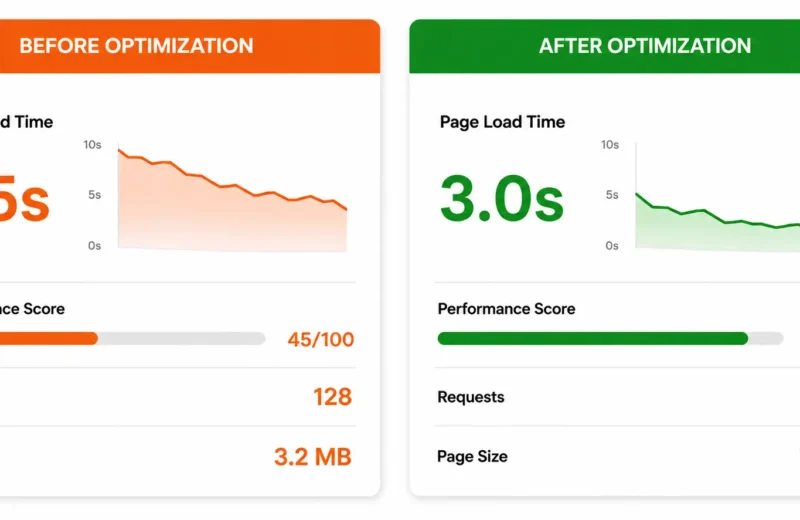
How We Optimized Page Load Speeds by 60% with Clean Semantic Code
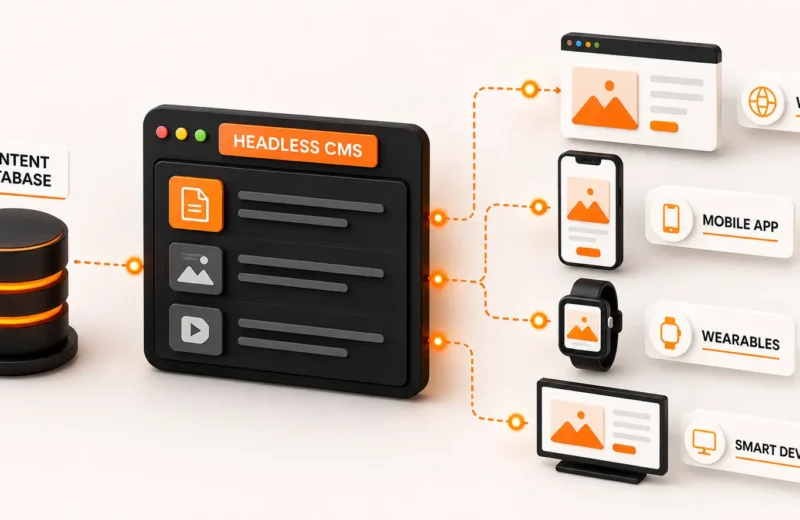
Understanding Headless CMS: A Modern Approach to Content Management
Fostering innovation in diverse industries through creativity
Pioneering the next wave of design-driven business growth
Adapting creative solutions for rapidly changing industries
Why Web Security Matters?
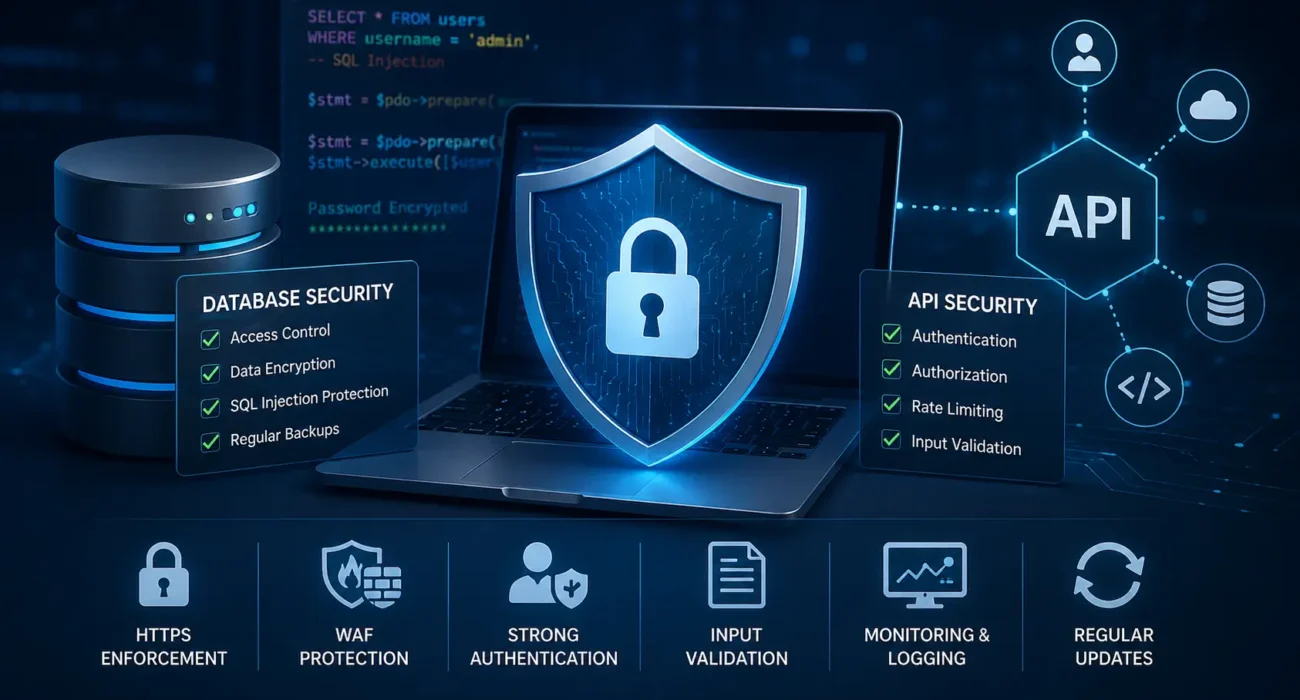
Modern web applications are constant targets for sophisticated cyber threats. Protecting your organization’s digital infrastructure requires a proactive approach that safeguards sensitive customer databases, secures active API endpoints, and prevents critical vulnerabilities before they can be exploited.
How We Protect Your Assets
API Shielding: Implementing strict authentication layers and rate limiting to prevent unauthorized backend access.
Database Hardening:Utilizing robust encryption protocols to secure data both at rest and during transmission.
API Authentication:Implementing strict token verification and OAuth layers to ensure only authorized endpoints can fetch backend records.
Rate Limiting & Throttling:Restricting the number of sequential requests from single IP addresses to mitigate brute force and DDoS vulnerabilities.
SQL Injection Prevention:Enforcing parameterized queries and inputs sanitization to prevent malicious code from modifying your primary databases.
Threat Monitoring:Deploying real-time monitoring and firewall solutions to detect and isolate malicious traffic instantly.
A framework where secure API routing and database protection protocols are implemented simultaneously. The system works to ensure seamless data transmission, while strict encryption protocols detect and isolate unauthorized access attempts. When enterprise platforms handle large volumes of sensitive user requests but require advanced defenses against emerging external threats, specialized techniques like rate limiting, token authentication, and regular SQL injection testing are used to mitigate risk. Tuning these critical security parameters is crucial for achieving zero-day vulnerability protection and maintaining platform trust.
Advanced Security Architectures
Going beyond standard firewalls, our approach integrates multi-layered encryption, automated patch management, and strict access controls. By securing the data layer and API handshake mechanics, we eliminate structural weak spots and maintain continuous operational uptime.
Summary:Robust web security is the foundation of digital trust. By enforcing data-driven security practices, protecting active database assets, and sealing API integrations, businesses can confidently scale their online operations without compromising user privacy or platform stability.